
Oct 29, 2026
Read More
New federal legislation responds to several of the transportation and labour priorities pulse Canada has advanced on behalf of the sector, but there is still work to do to make sure the new tools deliver for exporters.
Oct 29, 2026



Rail and port work stoppages threaten the reliability of Canada's pulse exports, with economic losses beginning even before operations stop as customers turn to other suppliers. New federal legislation, Bill C-39, takes steps to address these risks, incorporating several priorities Pulse Canada has advanced on behalf of the sector. However, gaps remain that could limit its effectiveness in preventing disruptions and protecting exporters.
The Building Canada Strong Act is an omnibus bill that responds to three federal consultations Pulse Canada participated in this spring. Alongside a faster federal review process for major projects, it introduces changes to labour relations and transportation policy, including new measures affecting ports, trade corridors and shipping. It received first reading on September 21, passed second reading and is now before special legislative committees in both the House and the Senate.
Pulse Canada helped spearhead Keep Grain Moving, a coalition of about 20 national and provincial farm and commodity groups, during the federal labour consultations this spring. The campaign made two asks: a special mediator to help the parties reach a deal when talks stall, and a faster way to end a work stoppage once one begins. Both are in C-39. The Minister may appoint a special mediator for 21 days, who must publish a report on the issues, the parties’ positions and their participation. The Minister can also direct the Canada Industrial Relations Board to order a resumption of operations, extend the collective agreement or impose binding resolution.
The bill also extends conciliation from 14 to 90 days and requires bargaining to start earlier where the last round ended in a stoppage or imposed settlement. Together, these changes are a significant overhaul of collective bargaining that should improve the odds of reaching agreements without a work stoppage, while leaving the legal right to strike intact.
That said, there are gaps. Appointing a mediator is discretionary, and without a mediator’s report the Minister cannot use the new power to end a stoppage. That power applies only once a stoppage has started, and the economic impact assessment promised in the government’s backgrounder does not appear in the bill.
C-39 repeals the Shipping Conferences Exemption Act (SECA), as Pulse Canada requested, but that is only a start. We asked for the repeal to be paired with an oversight framework, modelled on the US Ocean Shipping Reform Act, that would require advance notice of surcharges, a published rationale and a way to file complaints. None of that is in the bill, so ocean carriers can still add charges with little accountability to exporters. The Bill also adds supply chain efficiency to the National Transportation Policy and creates a National Trade Corridors Council to monitor goods movement and analyse disruptions.
The government has also committed to bring back extended interswitching as a four-year pilot, but only once there is a “reliable trading relationship with the United States.” That condition is not in the legislation and is undefined, leaving open the possibility that the pilot never starts.
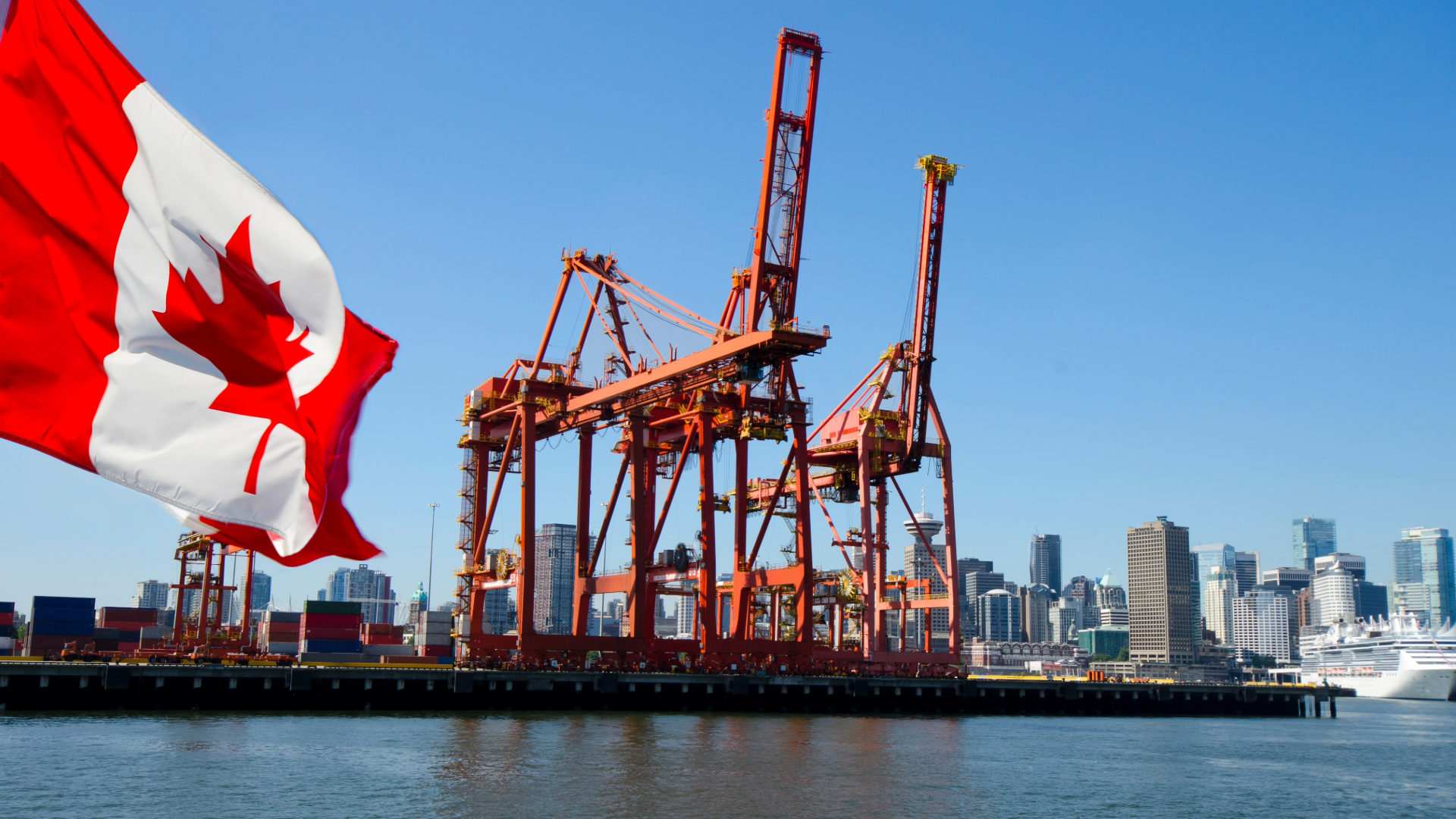
Working with the Keep Grain Moving coalition, Pulse Canada is advocating for two amendments to the Legislative Committee. First, make the special mediator automatic, not optional: any negotiation that reaches day 75 of conciliation would have one appointed, and mediation could run longer where it is working. Second, let the Minister act before a shutdown. Roughly $112 million in sales is lost before a single train stops, because customers book elsewhere the day a strike notice is given.
On transportation, Pulse Canada will push to pair the SCEA repeal with a marine oversight framework modelled on the US Ocean Shipping Reform Act, define supply chain efficiency to include cost and reliability for shippers, and secure a seat for small and medium-sized agriculture shippers on the new council.
We are also coordinating with the FAIR Rail Coalition and the Moving Economies group, whose campaign urging legislators to act on these amendments launched October 23 and runs through the committee stage.
With C-39 now at committee, the window to strengthen it is open, and Pulse Canada will keep members updated as the bill moves forward.
Our bi-monthly newsletter provides growers with timely, quick reads on the latest industry news and Pulse Canada’s work around the world.

Pulse Canada is the national association of growers, traders and processors of Canadian pulses, also known as lentils, dry peas, beans and chickpeas. Pulses are an essential part of a healthy and sustainable diet. Pulses and pulse ingredients can help food manufacturers improve the nutritional and functional quality of food products.