South East Asia Feed Trials
At a time when feed costs are rising, Canada’s stable production of quality feed peas are a reliable replacement for the primary protein source in swine diets.

New trials show pea can completely replace soybean meal in swine diets.
-
Study Design
A rice-based diet was fed to finisher pigs for 8 weeks with graded levels of pea and soybean meal, up to a complete replacement of soy with yellow pea meal.
Study Investigator: Dr. Li Van Kinh (Ho Chi Minh City, Vietnam)
Sample Size: 1200 F1 Yorkshire x Landrace pigs (equally male/female)
-

TREATMENTS
Ingredients (kg/100kg) | T1 | T2 | T3 | T4 | T5 |
Broken Rice | 63.00 | 59.09 | 55.06 | 50.68 | 46.09 |
Rice Bran | 12.00 | 12.00 | 12.00 | 12.00 | 12.00 |
Soybean Meal | 16.00 | 12.00 | 8.00 | 4.00 | - |
Pea Seed Meal | - | 8.00 | 16.00 | 24.00 | 31.00 |
RESULTS
The results demonstrated that yellow peas can totally replace soybean meal. No adverse effects were seen on the growth performance of pigs, carcass characteristics or meat pH. Peas can provide operational flexibility and potential cost savings to livestock operators.


-

- Applications
Pea Meal in Pork Diets
Yellow peas are suitable as a primary protein source in swine diets, providing more operational flexibility and potential cost savings. Download the full study summary to see how they perform.

-

-
Peas can reduce cost and maintain quality in shrimp
Study Investigator: Dr. Nguyen van Nguyen (Ho Chi Minh City, Vietnam)
Sample Size: 3000 Juvenile White-Leg Shrimp (Litopenaeus vannamei)
TREATMENTS
Ingredients (%) | T1 | T2 | T3 | T4 |
Ground Yellow Peas | 0 | 5 | 10 | 15 |
Soybean Meal | 25.0 | 22.8 | 20.7 | 18.5 |
-
RESULTSShrimp fed diets containing up to 10% peas did not experience any difference in weight gained over 56 days of feeding compared to the control diet. There was also no difference in quality across colour, texture, composition or descriptive sensory analysis of the shrimp.
-


-
- Applications
Pea Meal in Shrimp Diets
Including Canadian yellow peas in shrimp feed at a 10% inclusion rate can reduce feed costs while maintaining the quality of the end product. Download the full study summary to learn more.
Pea starch concentrate* provides immune and gut health benefits in shrimp
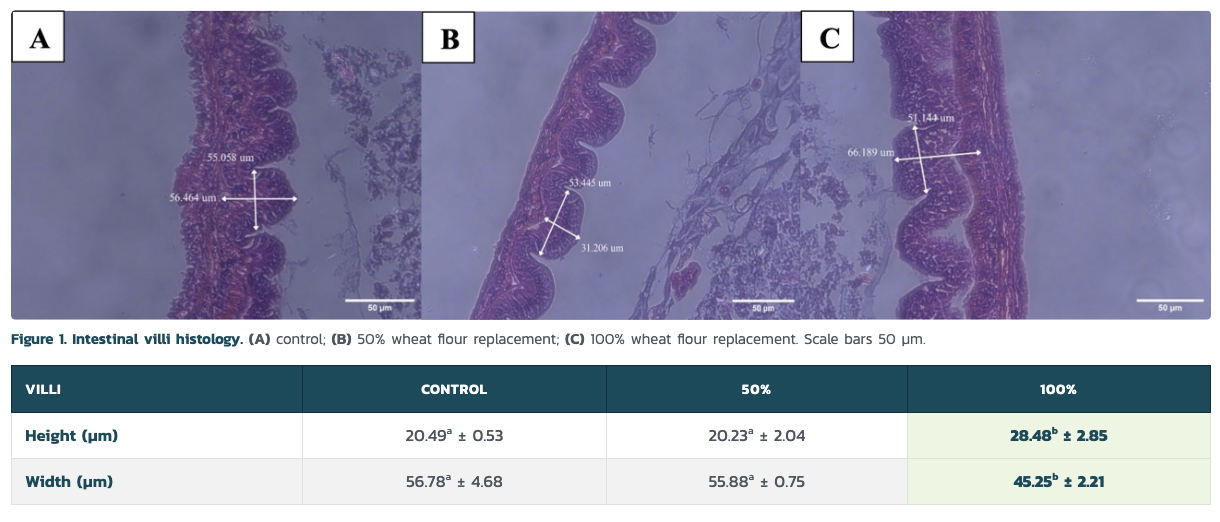
A new trial in the Philippines found that pea starch concentrate could fully replace wheat flour in shrimp feed without affecting growth, survival or pellet quality. The shrimp also showed stronger immune activity and changes in their intestinal structure associated with improved nutrient absorption.
*Pea starch-rich flour
-

- Applications
Pea Starch Concentrate* in Shrimp Diets
See how pea starch concentrate (pea starch-rich flour) performs in shrimp feed, including immune and digestive health benefits.
Yellow peas boost immune health and egg quality in layer hen diets
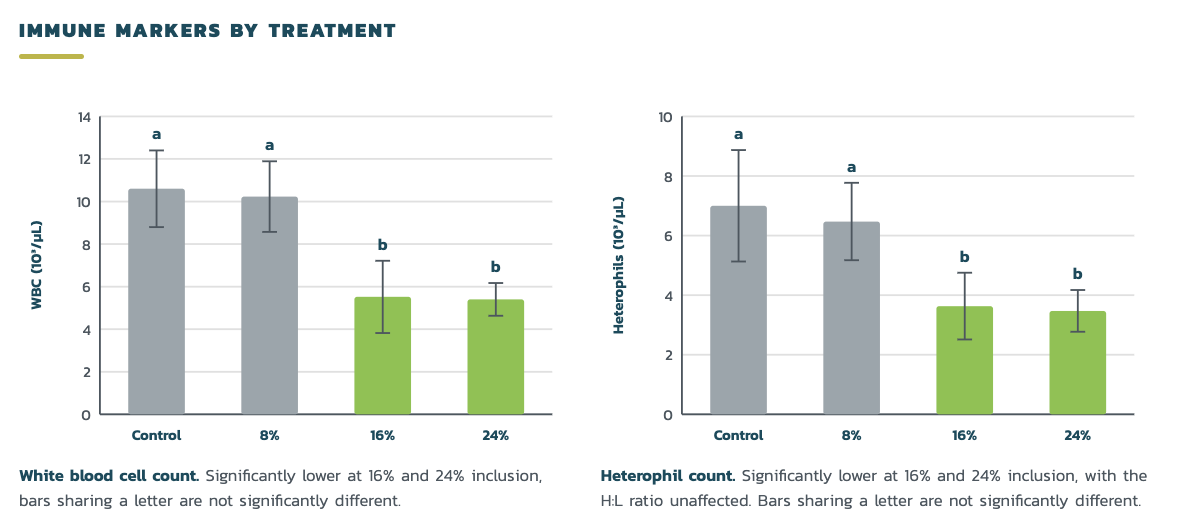
A new study found yellow peas can replace up to 24% of corn and soybean meal in laying-hen diets without compromising egg production, feed intake or weight gain. At the highest inclusion level, hens also produced eggs with heavier yolks and showed reduced markers of inflammation and stress, suggesting potential immune-health benefits.
-

- Applications
Yellow Peas in Layer Hen Diets
See how yellow peas can replace up to 24% of corn and soybean in layer hen diets, while providing immune and egg quality benefits.
Peas are a nutrient-dense feed ingredient
Canada is the world’s largest producer and leading exporter of feed peas. The primary use of feed peas around the world is in swine and aquaculture diets. Peas are an excellent, palatable feed ingredient that can be added to swine diets at a high inclusion rate, especially in the growing and finishing stages.
Peas are a good source of amino acids and energy and can replace cereals and protein ingredients in feed.
Peas are a multi-purpose feed ingredient due to their high protein and starch content.


Feed Guide
Download the pea feed guide for a comprehensive overview of using peas in feed and aquaculture.
Download the GuideBook a Meeting With a Feed Lead
Ready to get Canadian peas working for you? Book a meeting with our team.